
Day 3

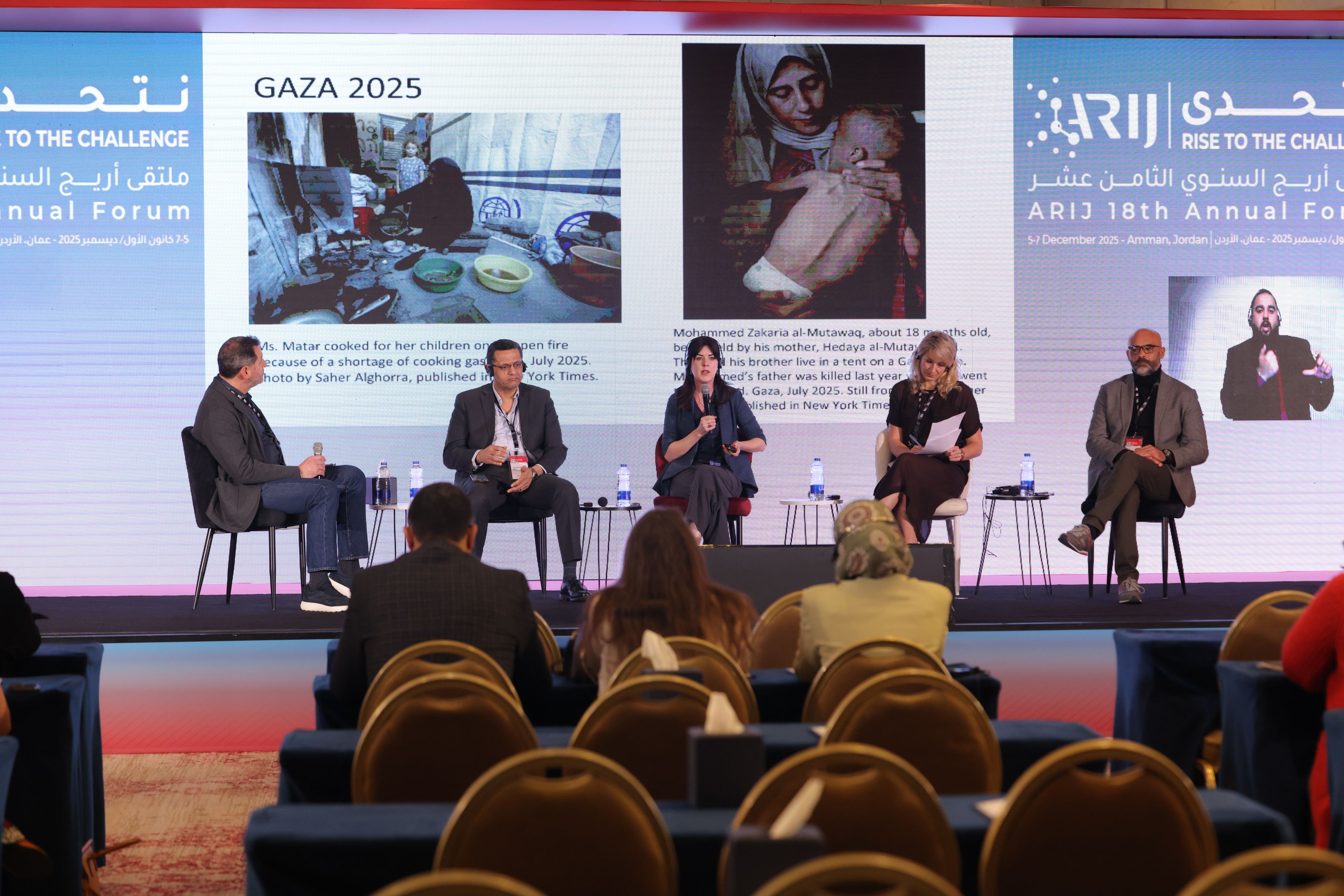
The Ethical Tightrope: Documenting Agony and Protecting the Witnesses
In partnership with Rory Peck Trust, the panel explored how professionals walk the "ethical tightrope," examining the moral choices in capturing images of destitution, the devastating political reality of man-made hunger, and the critical role of journalist syndicates in providing the safety, legal defense, and psychological support necessary to protect the very "witnesses" who bring these truths to light.

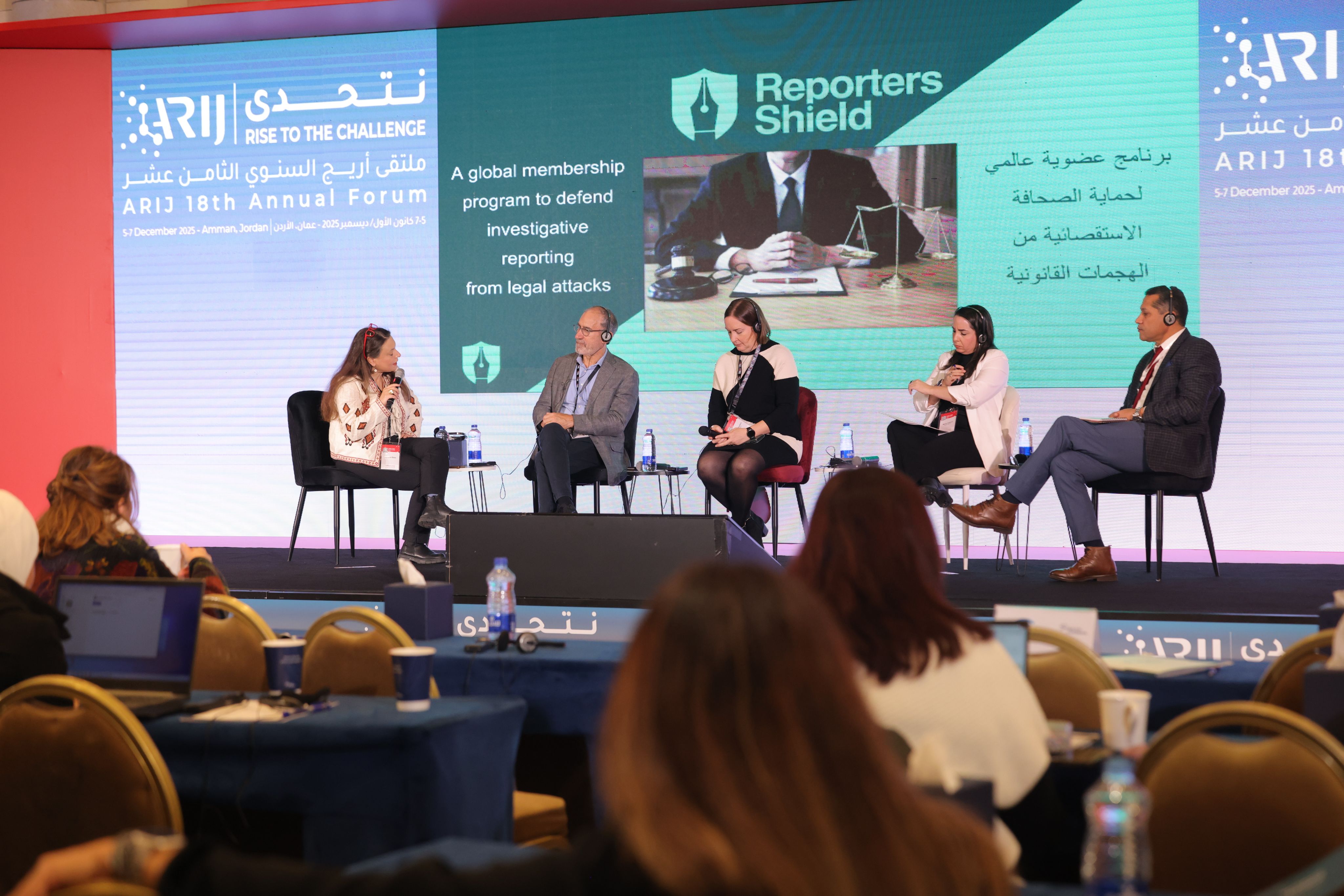
Navigating the Legal Complexity; Mechanisms to Support Journalism
Harnessing the expertise of MENA and Global legal professionals, this panel exposed the systemic flaws that allow journalists to be targeted and silenced. The session identified and debated urgent legal mechanisms and cross-border collaborations necessary to defend media professionals from threats, crippling lawsuits, and the global crisis of impunity.

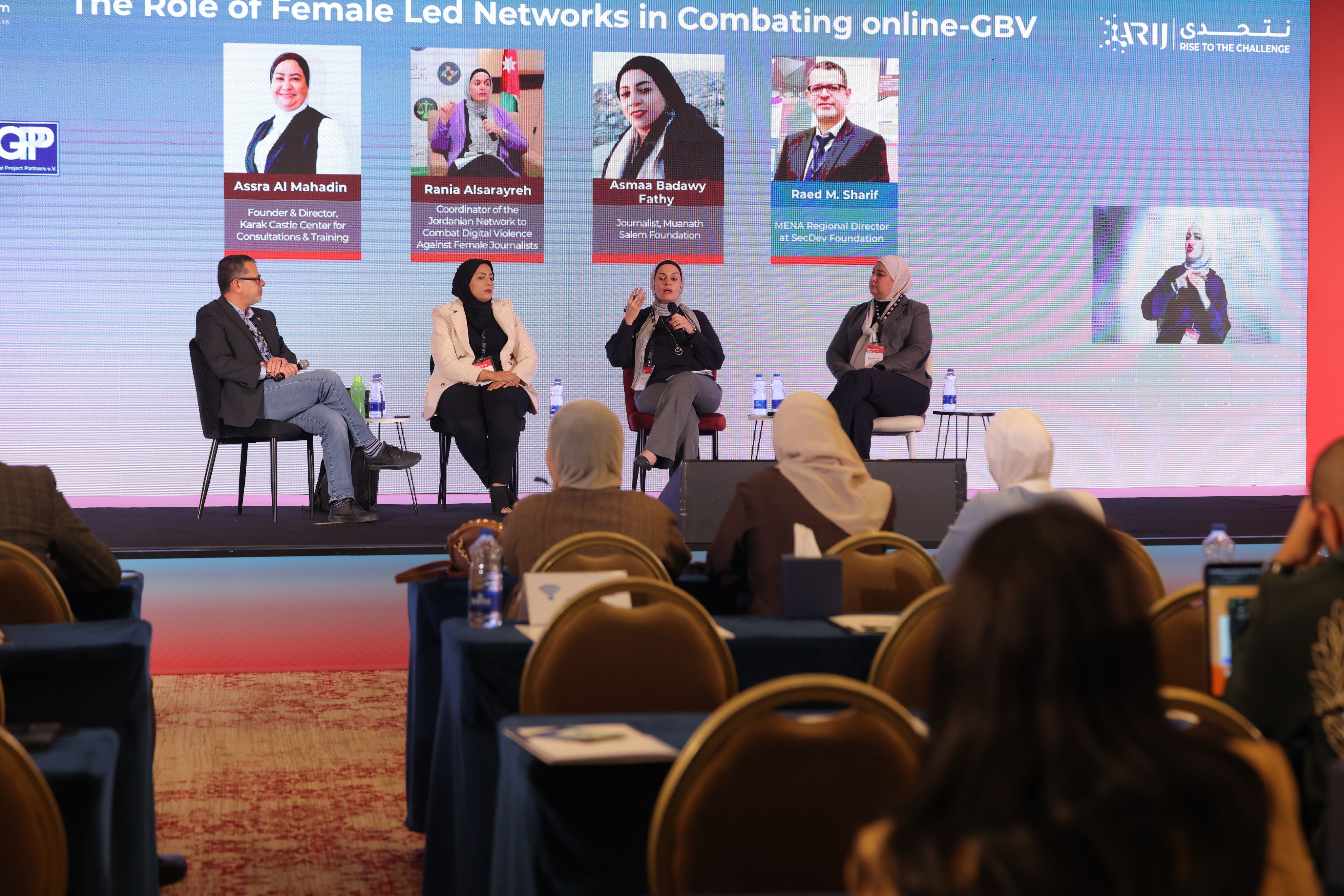
The Role of Female Led Networks in Combating Online-GBV
In partnership with the Global Project Partners, the session presented two success stories from Jordan and Egypt about female led networks that are important stakeholders in combating online GBV in the MENA region, sharing best practices among Arab countries that can lead to more effective strategies and solutions.

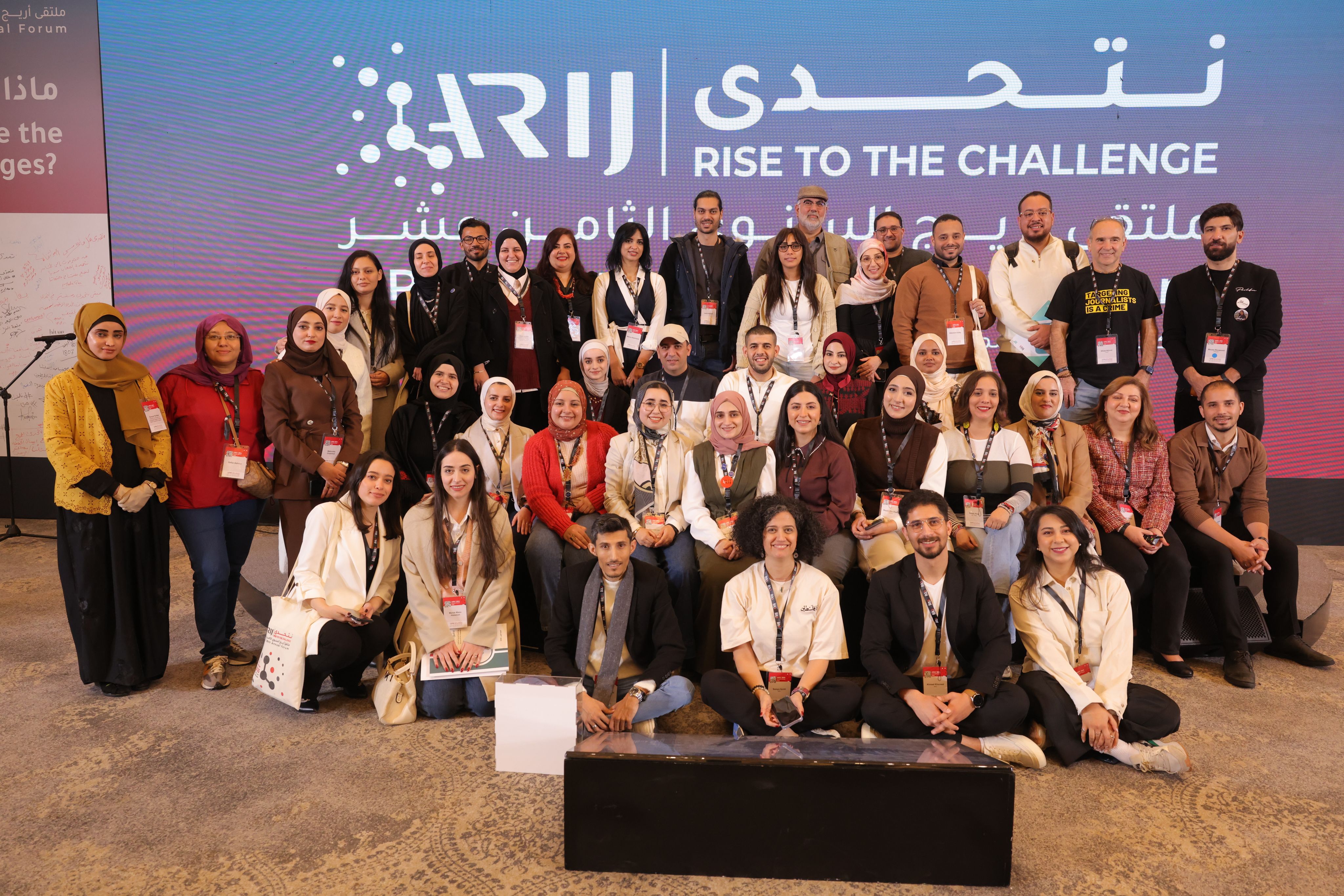
One Book a Day - Five Years Together: The Power of the AFCN Community
This event featured the launch of AFCN Fact-checking Curriculum for Arab Universities, and celebrated 5 years of AFCN’s efforts in combatting disinformation and empowering pre- and post- publication fact-checking in the region.

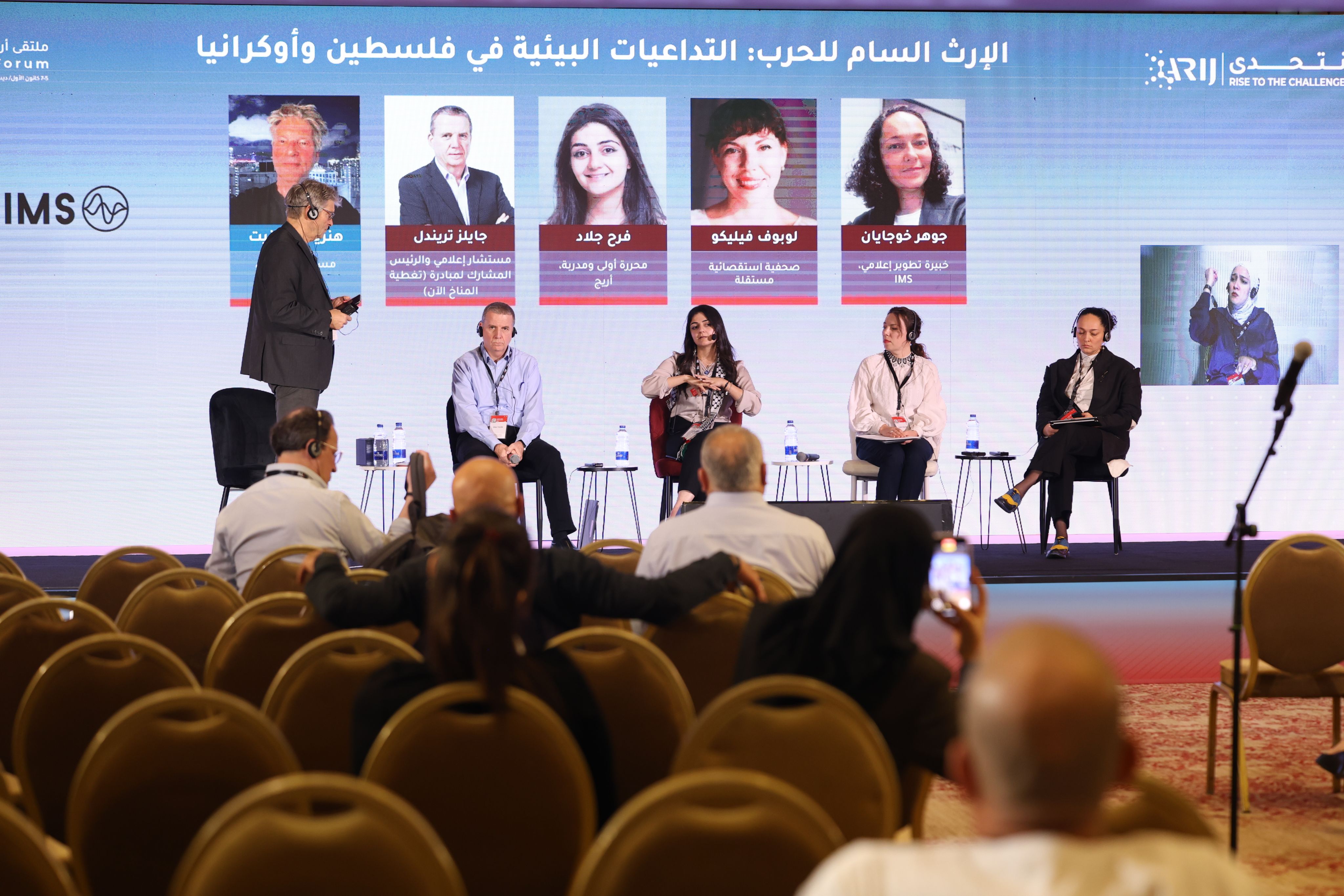
War's Toxic Legacy; The Environmental Aftermath in Palestine and Ukraine
In partnership with IMS, this panel explored the challenges and untold stories emerging from the environmental destruction in Palestine and Ukraine. Experts discussed how to investigate the toxic legacy of conflict, highlighting the urgency of environmental reporting in war zones.

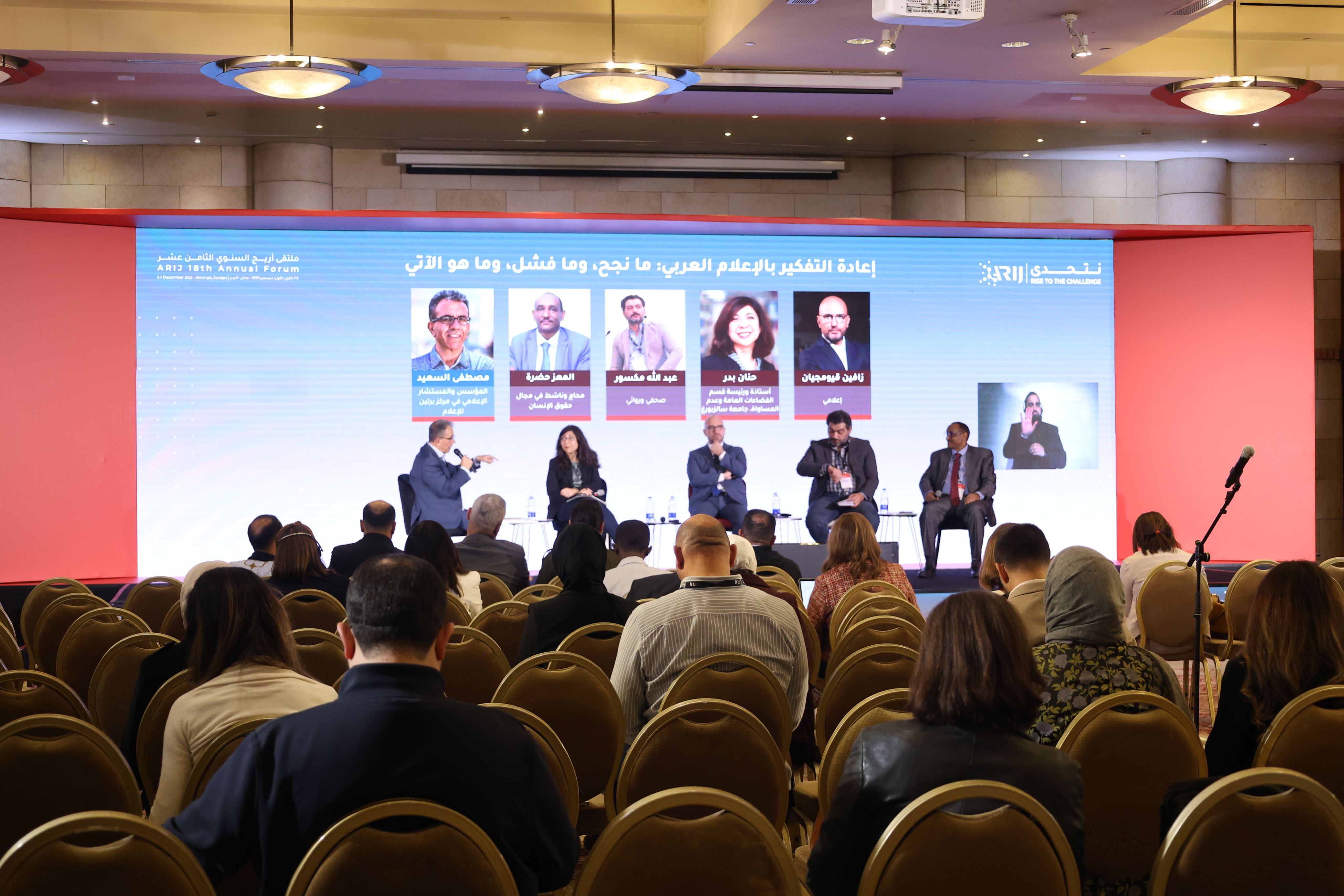
Rethinking Media in MENA; What Worked, What Didn’t and What’s Next
The discussion identified pathways for building genuine journalistic independence and societal resilience against manipulated information, and analyzed key failures and successes in media and information ecosystems over the past five years to chart a pragmatic course for where we need to be in the next five years.

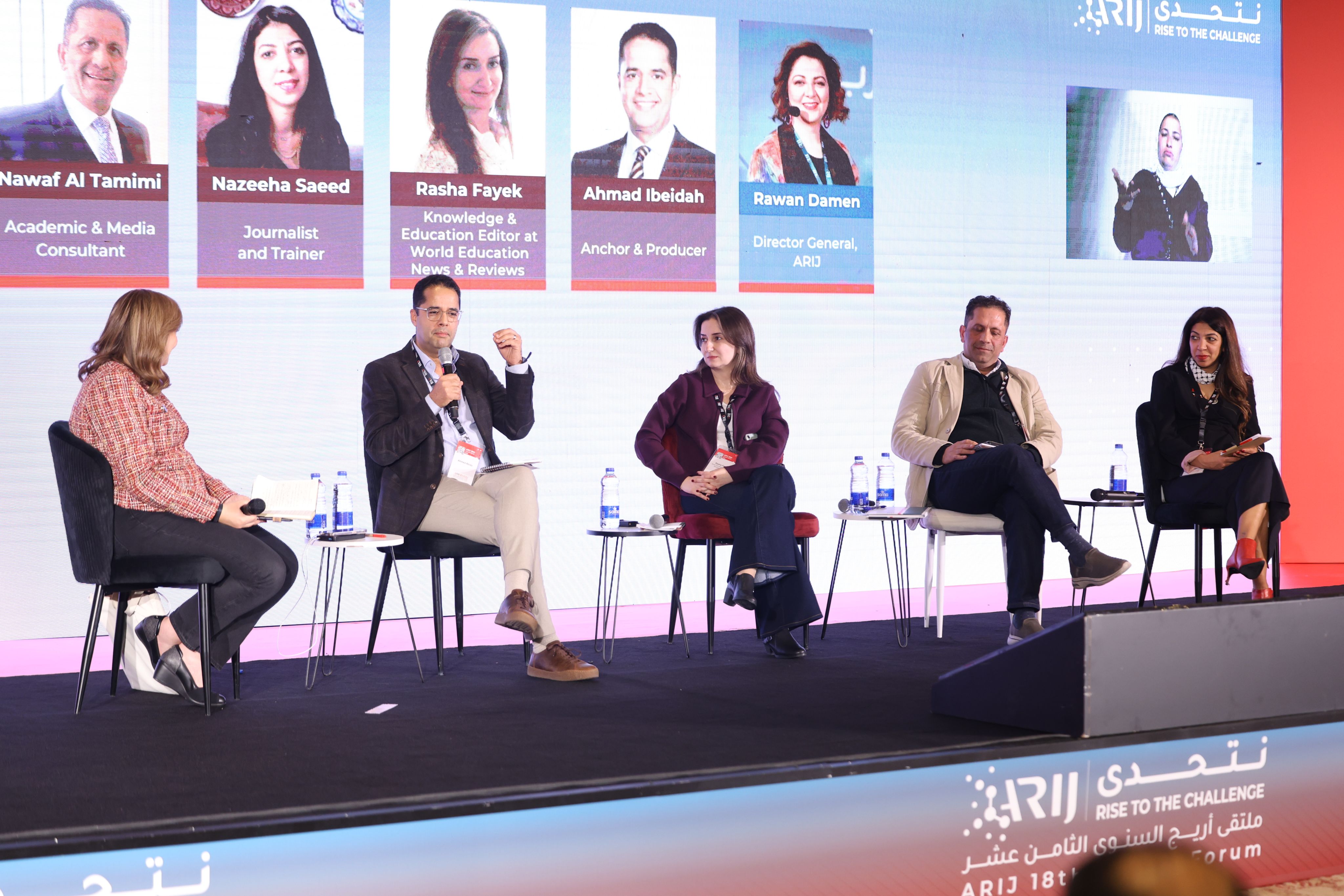
2025; What a Year of ARIJ Investigations Reveals
The independent jury for the ARIJ Investigations 2025 Award unveiled "The Unfiltered Image", a comprehensive deep dive that uses ARIJ's latest investigative journalism to explain what's truly happening in the Arab World.

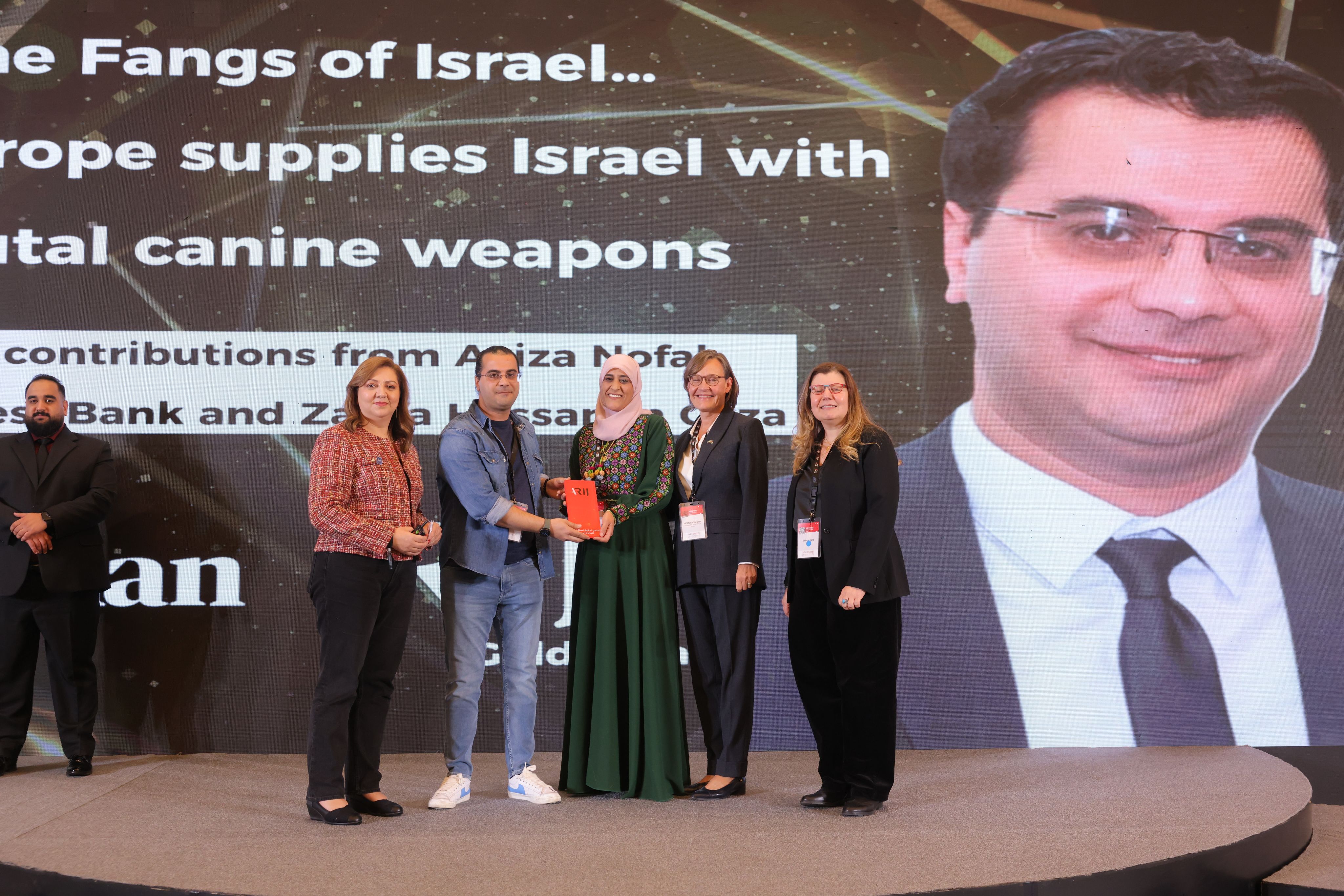
Closing Ceremony
The 2025 ARIJ Awards for outstanding investigative journalism were announced with a speech delivered by jury member Rasha Fayek, on behalf of the head of the jury, Media & Gender Consultant, Dr. Nadia Al-Sakkaf, Yemen/UK.
"Meet the Expert" Sessions

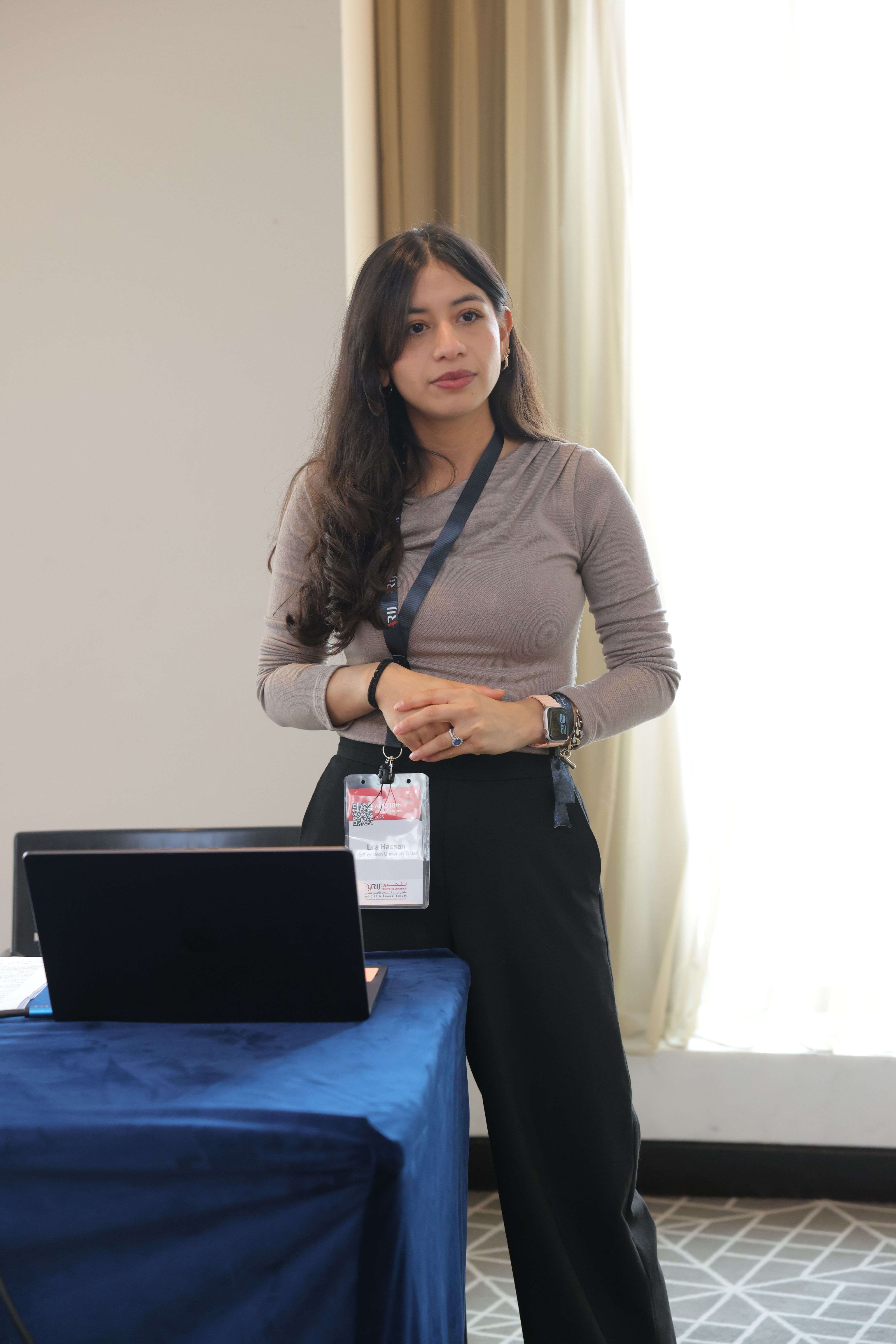
This masterclass, titled "Pitching with a Freelancer's Edge: Mastering the Art of Editor Relationships", delves into the critical, practical skills required for successful freelancing.

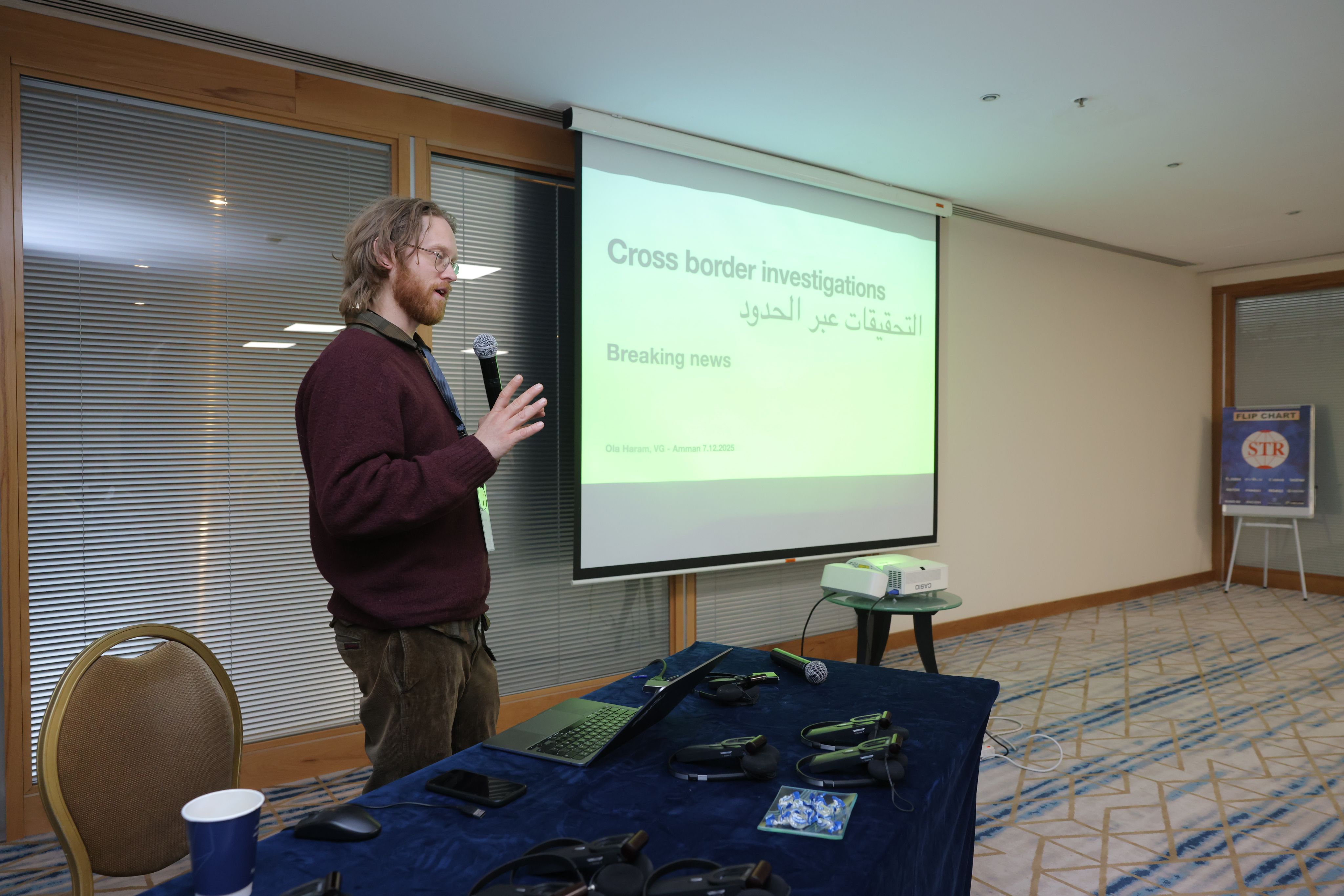
In this open masterclass, participants learned practical methods for investigating across borders, using global company and flight databases, AI-assisted facial verification, ethical use of social engineering, and collaborating effectively with international partners.

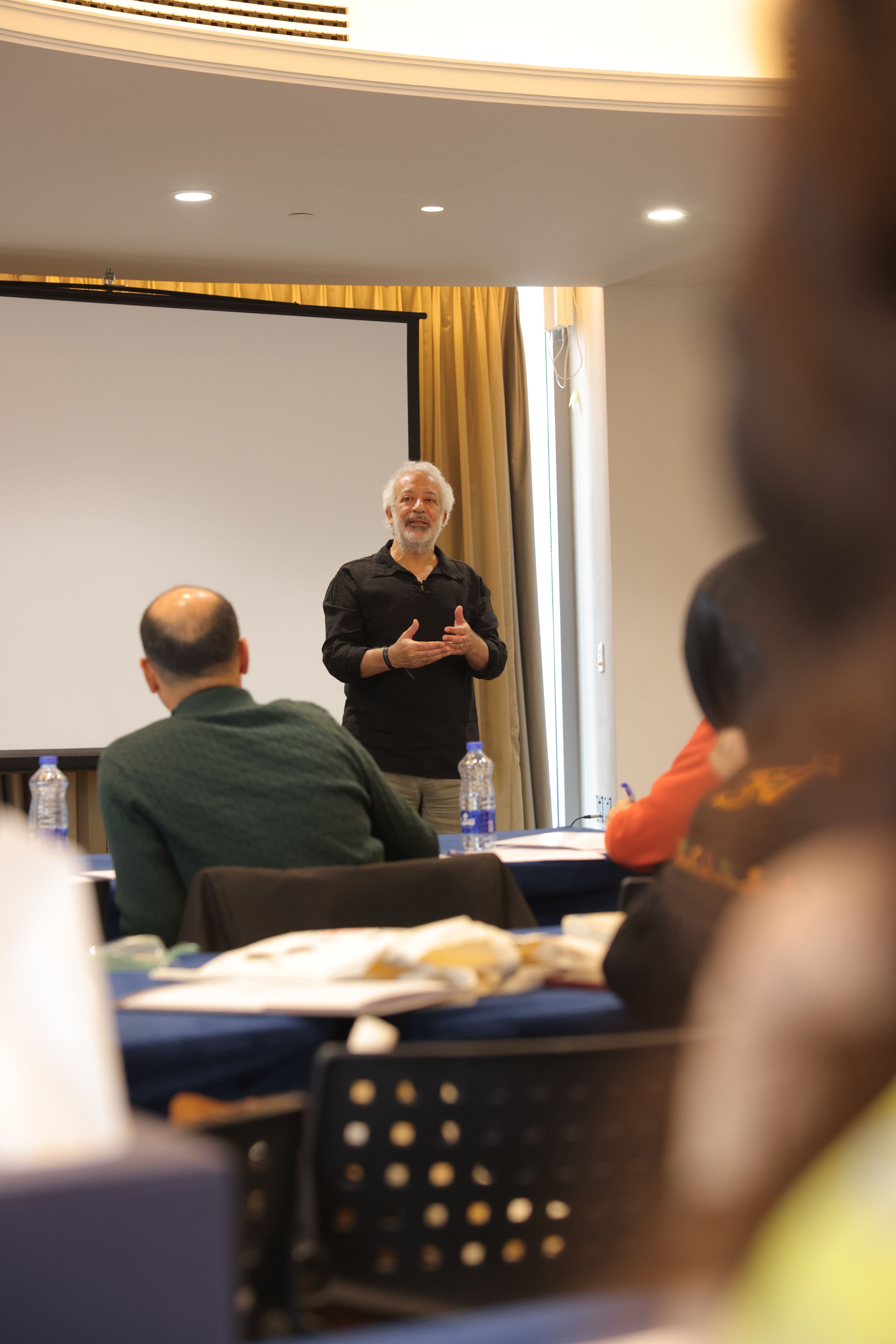
In this open masterclass, Assaad Taha talks about how the power of an investigation lies not only in the accuracy and substance of its findings, but also in the journalist’s ability to transform complex, raw facts into a compelling story that reaches audiences and moves decision-makers.

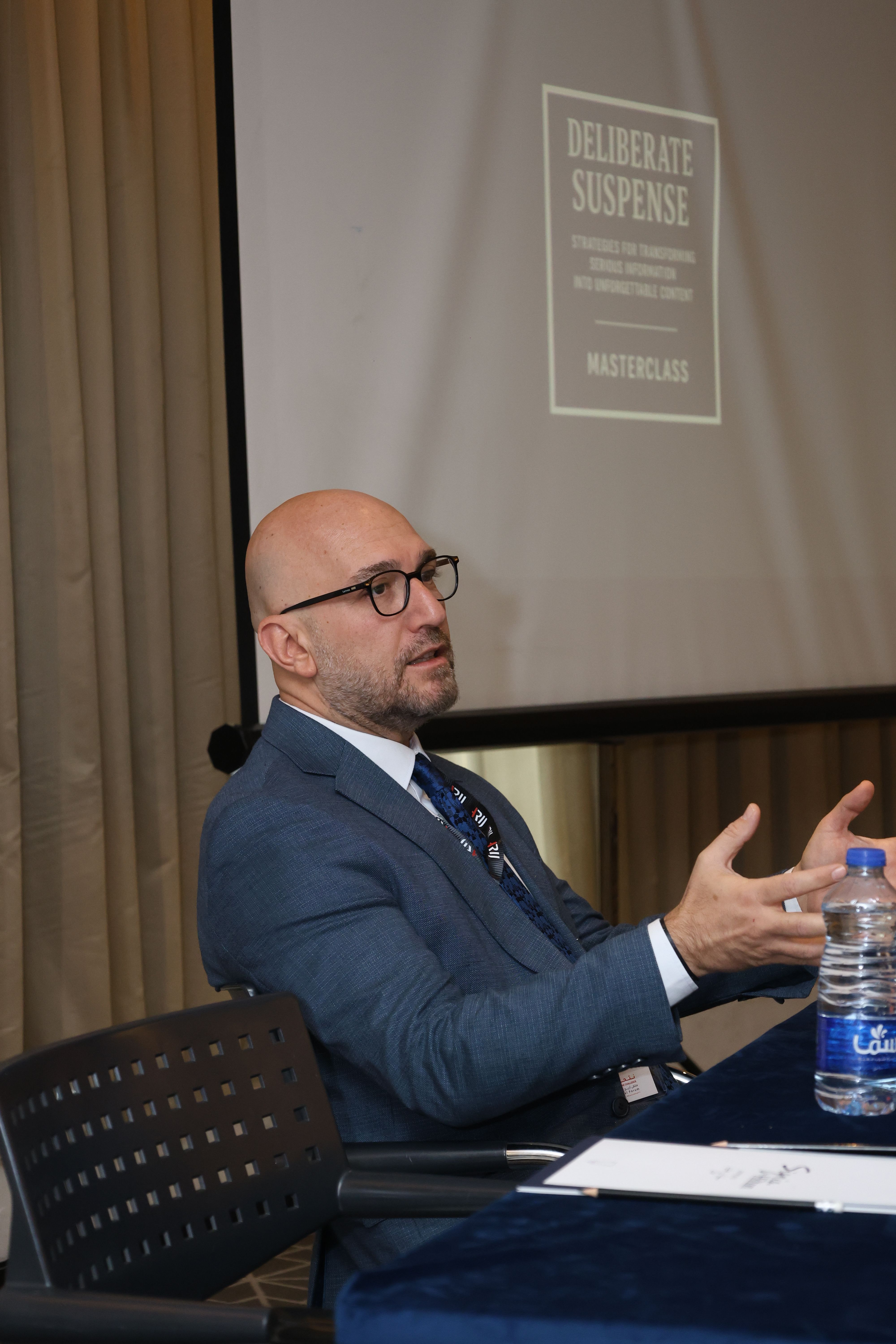
In today’s rapidly evolving digital landscape, shaped by major shifts across websites and social media platforms, investigative journalists must adopt fresh strategies to create suspense and deliver impact. This open masterclass offered some of these tools and strategies.

This open masterclass equipped journalists with the skills to conduct evidence-based confrontations, a pivotal stage in verifying facts before publication and upholding the public’s right to know.

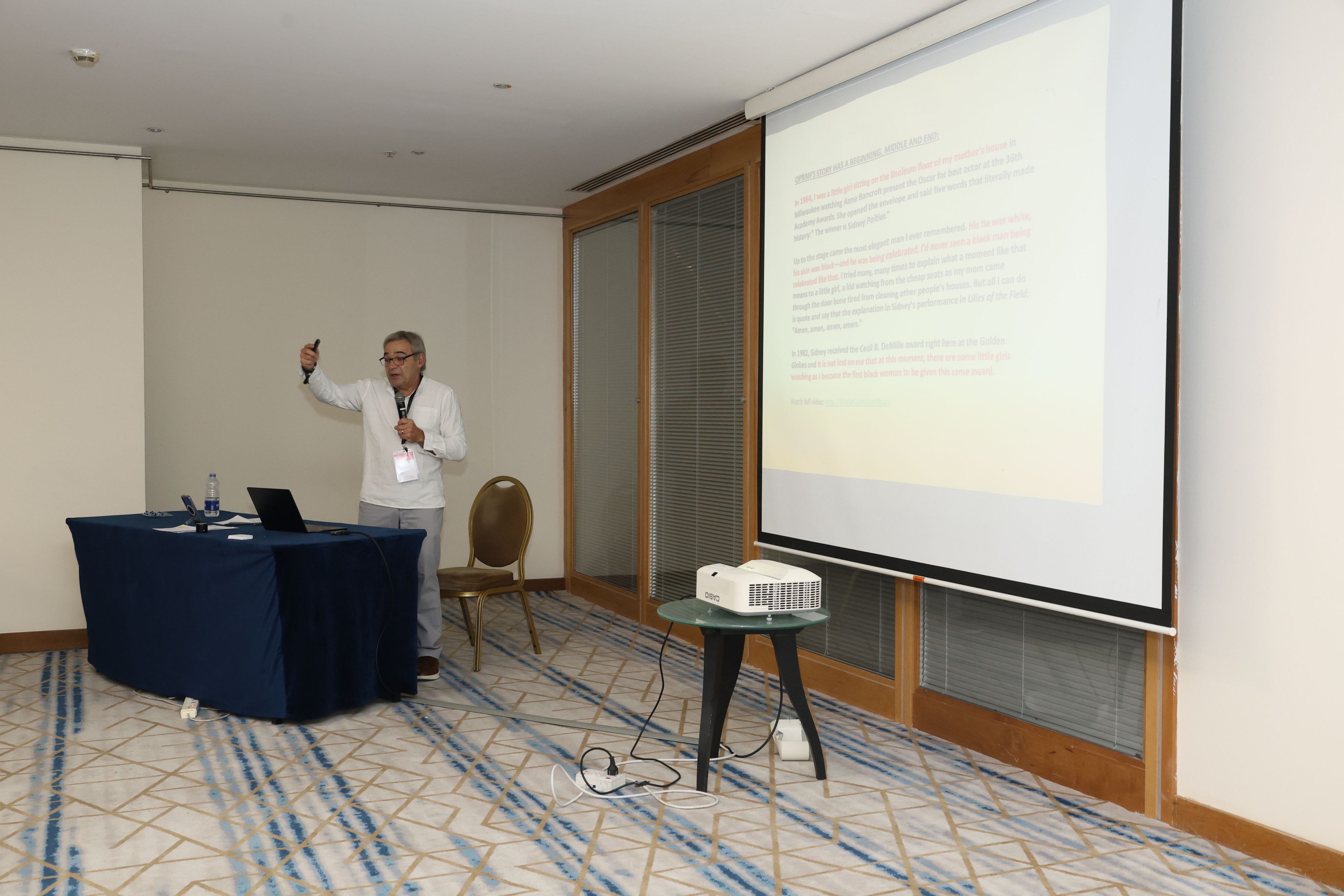
This masterclass emphasized that investigative journalism requires more than just uncovering facts and scandals. To achieve real impact, journalists must craft powerful narratives
 Built with Shorthand